Archives
- 2026-05
- 2026-04
- 2026-03
- 2026-02
- 2026-01
- 2025-12
- 2025-11
- 2025-10
- 2025-09
- 2025-03
- 2025-02
- 2025-01
- 2024-12
- 2024-11
- 2024-10
- 2024-09
- 2024-08
- 2024-07
- 2024-06
- 2024-05
- 2024-04
- 2024-03
- 2024-02
- 2024-01
- 2023-12
- 2023-11
- 2023-10
- 2023-09
- 2023-08
- 2023-07
- 2023-06
- 2023-05
- 2023-04
- 2023-03
- 2023-02
- 2023-01
- 2022-12
- 2022-11
- 2022-10
- 2022-09
- 2022-08
- 2022-07
- 2022-06
- 2022-05
- 2022-04
- 2022-03
- 2022-02
- 2022-01
- 2021-12
- 2021-11
- 2021-10
- 2021-09
- 2021-08
- 2021-07
- 2021-06
- 2021-05
- 2021-04
- 2021-03
- 2021-02
- 2021-01
- 2020-12
- 2020-11
- 2020-10
- 2020-09
- 2020-08
- 2020-07
- 2020-06
- 2020-05
- 2020-04
- 2020-03
- 2020-02
- 2020-01
- 2019-12
- 2019-11
- 2019-10
- 2019-09
- 2019-08
- 2019-07
- 2019-06
- 2019-05
- 2019-04
- 2018-07
-
Epigenetics Compound Library The first description of autoph
2025-02-11
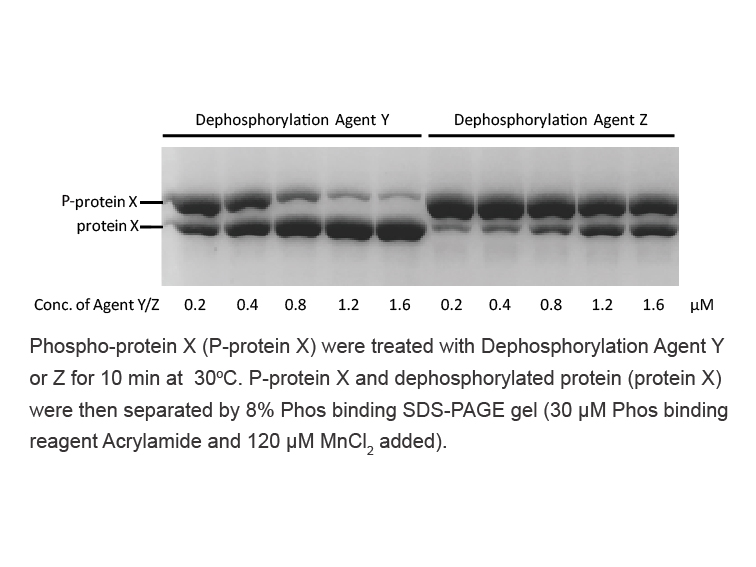
The first description of autophagy as a tumour suppression process arises from the observation that the initial step regulatory gene, Atg6/BECN1, was monoallelically lost in 40% to 75% of human prostate, breast, and ovarian cancers [31]. However, while BECN1 heterozygous mutant mice develop, with lo
-
The activity of an enzyme may be regulated allosterically as
2025-02-11
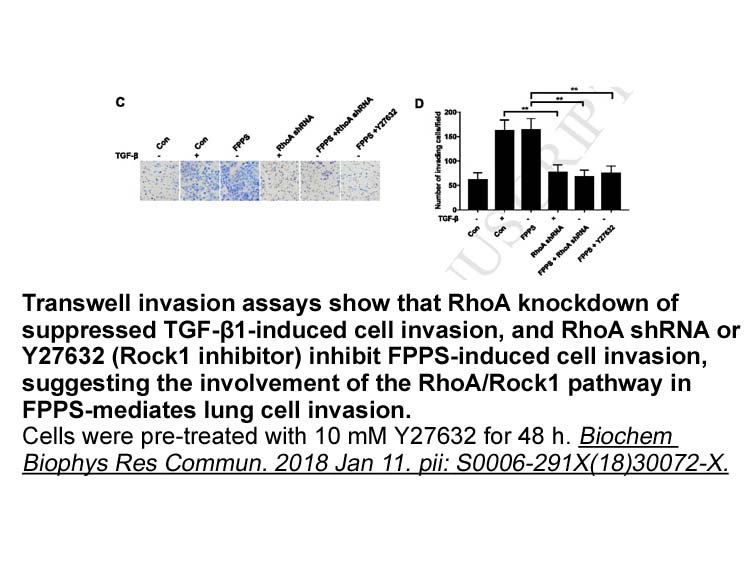
The activity of an enzyme may be regulated allosterically as well as transcriptionally. We have consistently studied REMS deprivation (REMSD) associated NA mediated allosteric regulation of Na-K ATPase activity in neurons and glia in vivo and in vitro (Amar and Mallick, 2015; Amar et al., 2016; Bask
-
Neuropathic animals display increased sensitivity
2025-02-11
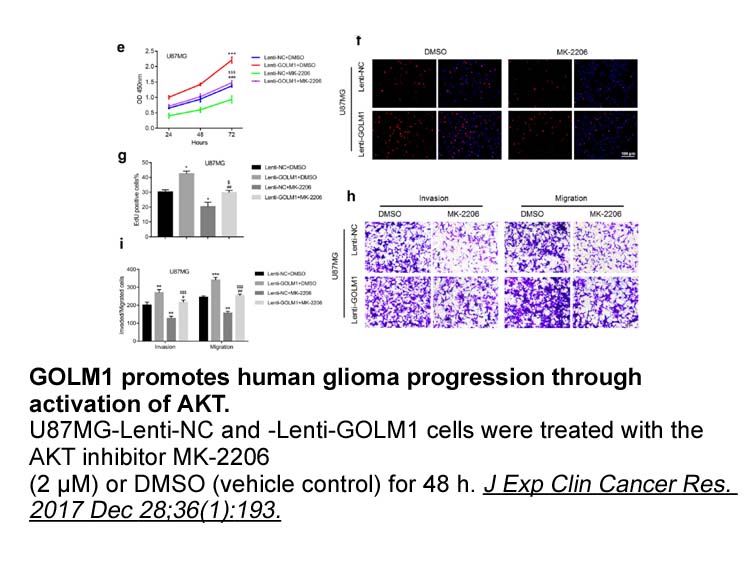
Neuropathic animals display increased sensitivity to the anti-nociceptive effect of baclofen and whilst the number and affinity of GABAB Antimicrobial agent in the dorsal horn are not altered (Smith et al., 1994; Zemoura et al., 2016), GABAB receptors subunits (B1 and B2) are both down-regulated in
-
In this review we will present
2025-02-11

In this review, we will present the traditional and actual strategies to study orphan receptors and identify their ligands. An extensive description of the orphan GPCR field has been published in 2013 by Davenport et al. [22]. Therefore, we will focus on the deorphanizations that were reported since
-
Secondly leptin has been shown
2025-02-11
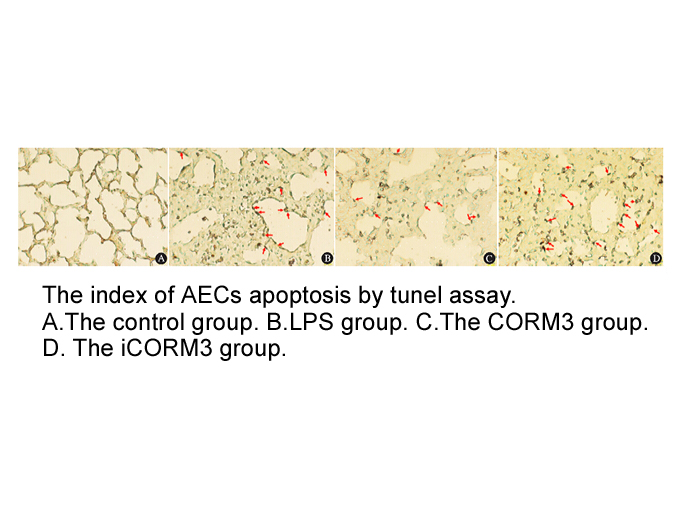
Secondly, leptin has been shown to enhance aromatase mRNA expression, aromatase content and its enzymatic activity in epithelial breast cancer SID 26681509 by inducing promoters II and I.3 via an enhanced binding of transcription activator protein 1 (AP-1) complex to specific DNA sites in the promo
-
Using this cheese mimicking matrix we screened
2025-02-11
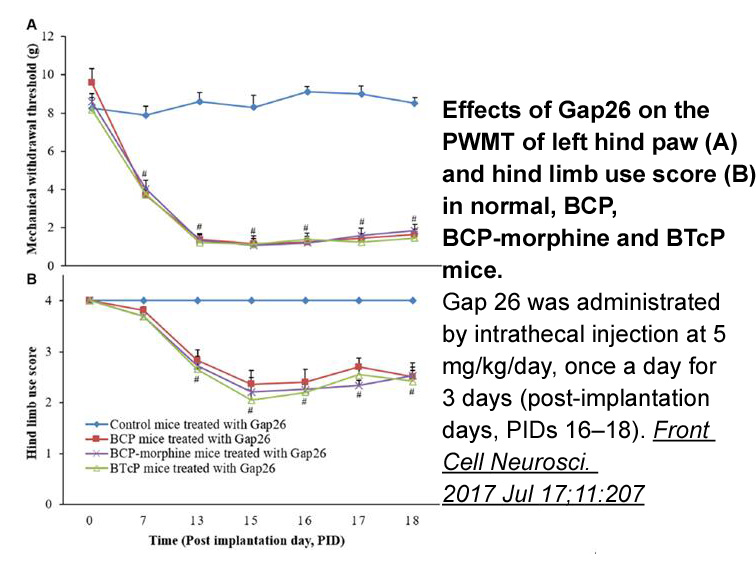
Using this cheese-mimicking matrix, we screened the antifungal activity of 44 LAB fermented milk-based products and 23 LAB isolates used as protective cultures against 4 fungal targets. The LAB were obtained from the culture collections of CIRM-BIA (Centre International de Ressources Microbienne-Bac
-
br Concluding Remarks Despite major
2025-02-11
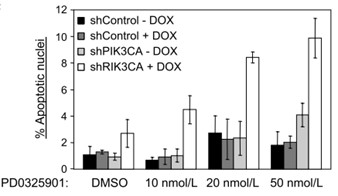
Concluding Remarks Despite major advances in the development of antibody and small-molecule tumor angiogenesis inhibitors, therapy resistance, both innate and acquired, continues to limit further survival improvements for patients with cancer. Preclinical models of localized primary tumors and me
-
Intracellular Signaling Cascades From ligand sensitization t
2025-02-11
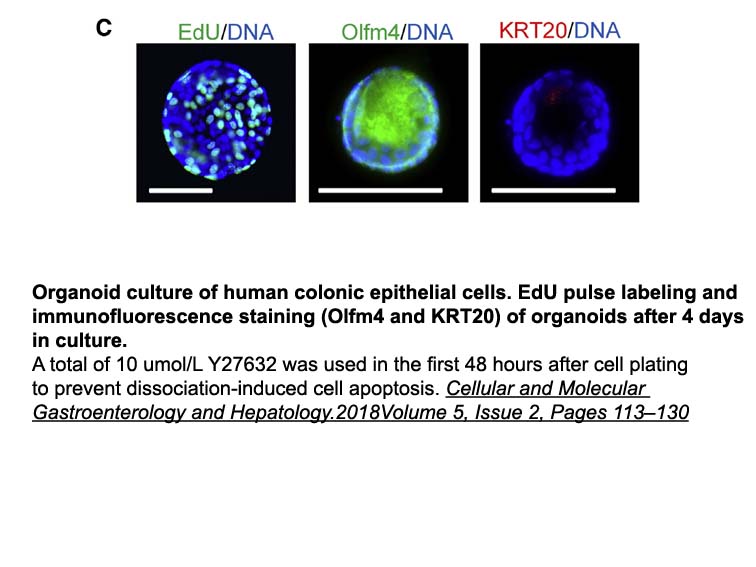
Intracellular Signaling Cascades. From ligand sensitization to translation of genes, all cellular processes are dependent on the intracellular levels and activity of partners involved in the signaling pathway. These signaling events lead to critical post-translational modifications including phospho
-
br Acknowledgments This work was supported by a grant
2025-02-11
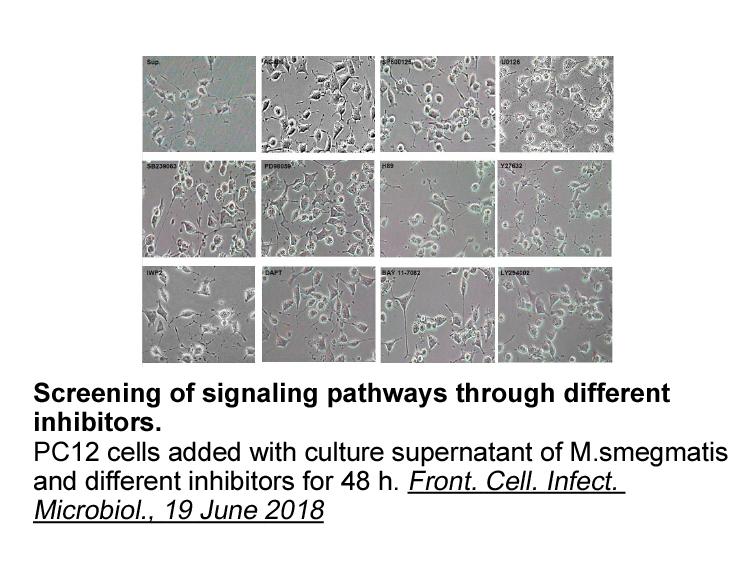
Acknowledgments This work was supported by a grant of the Romanian National Authority for Scientific Research, CNCS – UEFISCDI, project no. PN-II-ID-PCE-2011-3-0571, awarded to F.A.M. D.V.N. was co-financed from the European Social Fund through Sectorial Operational Program Human Resources Develo
-
In pancreatic islets we found an
2025-02-11
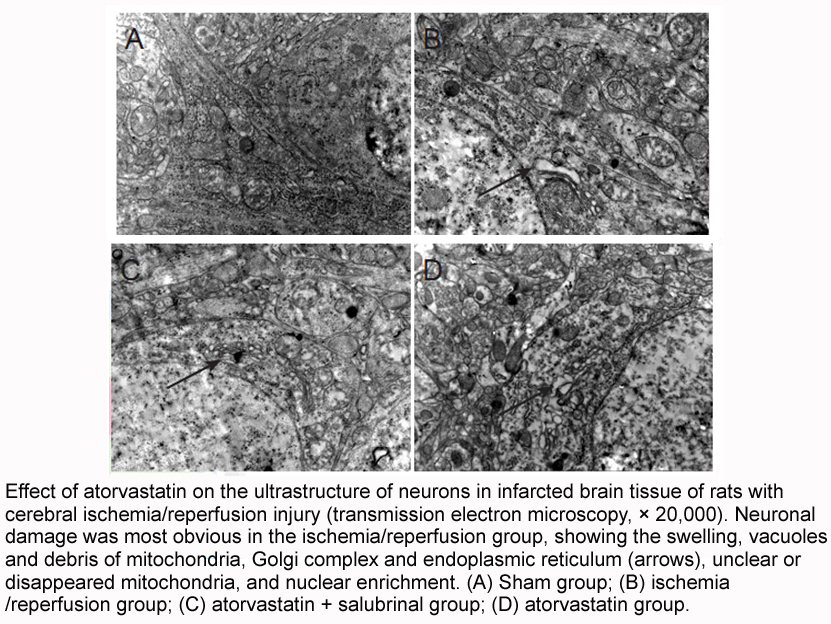
In pancreatic islets we found an increase in protein expression of leukocyte 12/15-LO that paralleled the metabolic decline characterized by severe hyperglycemia and reduced islet numbers. Similar increase in 12/15-LO expression by Western blot was found in the control mice, which have a normal meta
-
Although several ARIs have reached various phases of clinica
2025-02-11

Although several ARIs have reached various phases of clinical experimentation however most of them have been withdrawn either due to an insufficient bioavailability, their poor efficacy or adverse side effects. Currently Epalrestat is in clinical use for the treatment of diabetic neuropathy. The sid
-
br Material and methods br Results br Discussion Neurotransm
2025-02-10
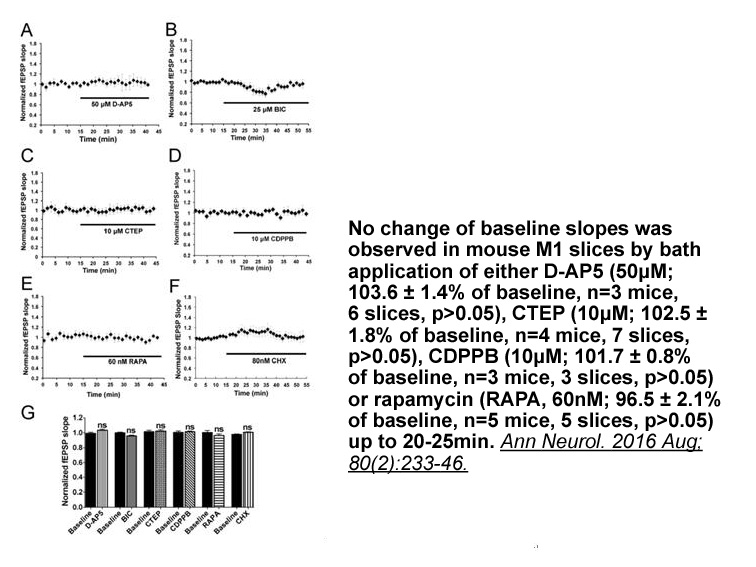
Material and methods Results Discussion Neurotransmitters pathways within vertebrates, including fish, are well conserved (Kreke and Dietrich, 2008, Valenti et al., 2012). Therefore psycopharmaceuticals that are design to act on these pathways in mammals, will possibly interact with the sam
-
Ellagitannin These results from the present study are
2025-02-10
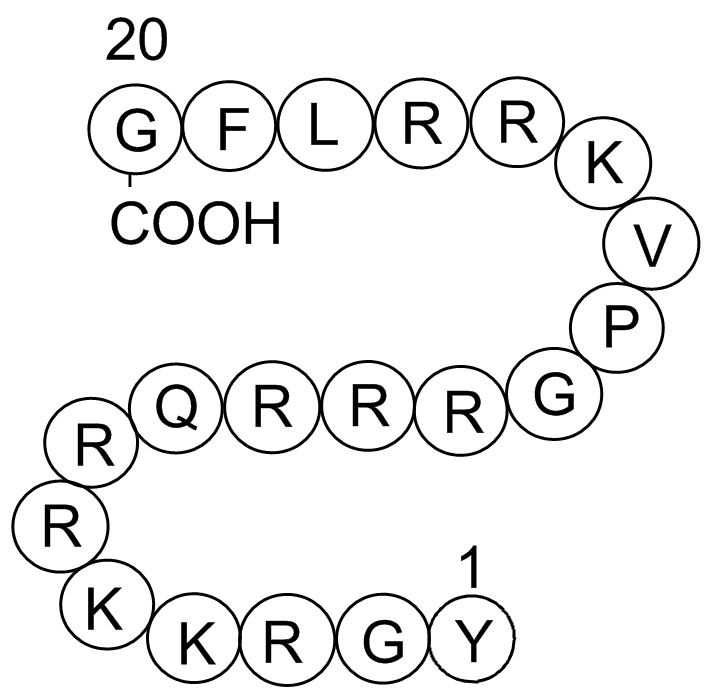
These results from the present study are summarized in Table 1. Eight drugs (doxorubicin, epirubicin, daunorubicin, idarubicin, irinotecan, imatinib, sunitinib and gefitinib) inhibited 5-HT-induced 5-HT3A and 5-HT3AB currents; three (irinotecan, topotecan and mitoxantrone) showed different responses
-
br Introduction The chronic inflammation
2025-02-10

Introduction The chronic inflammation is one of the leading events involved in the aetiology of many chronic-degenerative diseases including diabetes, atherosclerosis, arthritis and cancer (Coussens and Werb, 2002). Monocytes/macrophages lineage plays an important role during inflammation through
-
The activation of P Rs modulates
2025-02-10
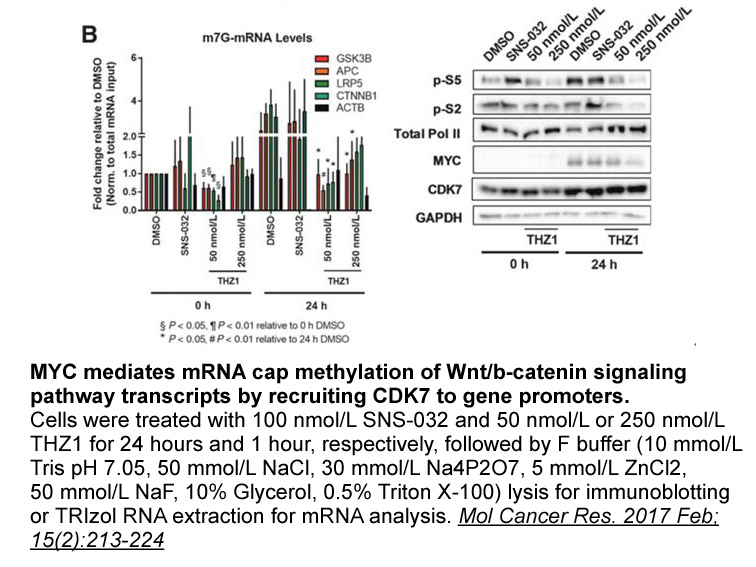
The activation of P1Rs modulates the activity of many ion channels and receptors (Sebastião and Ribeiro, 2009) and the recent detection of P1Rs at the postsynaptic level of the adult NMJ (Garcia et al., 2014) makes potentially possible an adenosine-mediated modulation of the nicotinic Clarithromycin
15924 records 34/1062 page Previous Next First page 上5页 3132333435 下5页 Last page