Archives
- 2026-08
- 2026-07
- 2026-06
- 2026-05
- 2026-04
- 2026-03
- 2026-02
- 2026-01
- 2025-12
- 2025-11
- 2025-10
- 2025-09
- 2025-03
- 2025-02
- 2025-01
- 2024-12
- 2024-11
- 2024-10
- 2024-09
- 2024-08
- 2024-07
- 2024-06
- 2024-05
- 2024-04
- 2024-03
- 2024-02
- 2024-01
- 2023-12
- 2023-11
- 2023-10
- 2023-09
- 2023-08
- 2023-07
- 2023-06
- 2023-05
- 2023-04
- 2023-03
- 2023-02
- 2023-01
- 2022-12
- 2022-11
- 2022-10
- 2022-09
- 2022-08
- 2022-07
- 2022-06
- 2022-05
- 2022-04
- 2022-03
- 2022-02
- 2022-01
-
br Authors contribution br Funding
2022-06-13
Authors' contribution Funding sources This study was supported by CDC intramural funding. Publication costs are funded by an internal program of CDC. MAT was supported by funds from the Association of Public Health Laboratories and CDC (APHL–CDC) Bioinformatics Fellowship Program. Competing
-
Human GPR hGPR was originally isolated in as an orphan
2022-06-13

Human GPR55 (hGPR55) was originally isolated in 1999 as an orphan GPCR with high levels of expression in human striatum (Sawzdargo et al., 1999) (Genbank accession # NM_005683.3). hGPR55 was mapped to human chromosome 2q37, and in the human CNS it is predominantly localized to the caudate, putamen,
-
Following activation it is necessary
2022-06-13
Following activation, it is necessary for a subset of activated effector T cells to survive as long-lived memory T cells. Metabolically, this transition is dependent upon the ability of the cell to downregulate aerobic glycolysis and transition back to a more oxidative phenotype. In fact, enhancemen
-
Foreign polypeptide antigens can be incorporated into VLPs t
2022-06-13

Foreign polypeptide antigens can be incorporated into VLPs to create “chimeric” structures, either as fusions to either end of the VLP capsid (coat) protein (CP) or as additions to well-presented loops [18]. This kind of direct fusion to the coat is usually good for small peptides, however, larger p
-
Cichlasoma dimerus as most teleost fish species present neur
2022-06-13
Cichlasoma dimerus, as most teleost fish species, present neurons expressing GnRH3 (Pandolfi et al., 2005). As in most Sumatriptan species, the neurons expressing GnRH3 are mainly located in the NOR, although few neurons were detected in the olfactory bulb, ventral telencephalon and the POA (Gonzál
-
br Regulation of gonadotropins by GnRH
2022-06-13
Regulation of gonadotropins by GnRH GnRH is released from the hypothalamus, and its release pattern is known to be pulsatile. That is, the pulse frequency and amplitude of GnRH release vary physiologically during reproductive cycles in females, and differentially stimulate the production and rele
-
Finally it is possible that the increase in the
2022-06-13
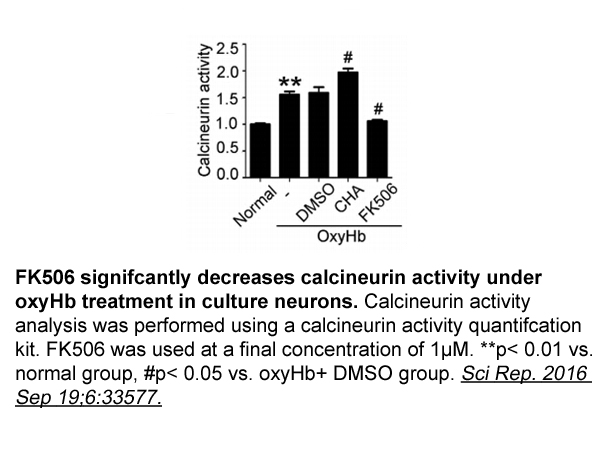
Finally, it is possible that the increase in the number of EAAT-3-labelled cells in the DG at PD 60, when compared with the control and experimental animals at PD 14, is associated with natural changes in the number of neurons present during the postnatal development of the hippocampus (41, 42) and,
-
In our reporter assay system
2022-06-13
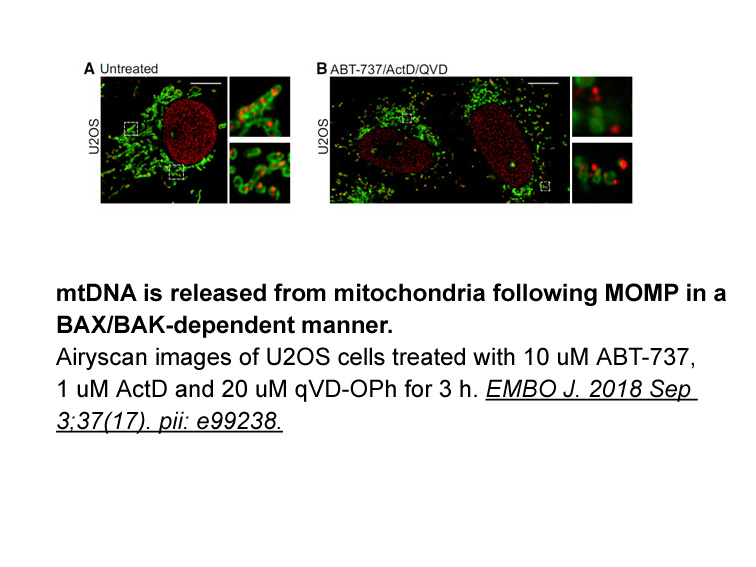
In our reporter assay system, C3H10T1/2-Gli1-Luc cells were incubated with Shh CM to induce Gli1-mediated luciferase activity (Fig. 1B). Z-Ajoene inhibited Shh CM-induced luciferase activity in a concentration-dependent manner as seen in Fig. 1C. Z-Ajoene also inhibited SAG (a Smo activator)-induced
-
Bleomycin Sulfate Inhibitors of the G rdos effect include
2022-06-13
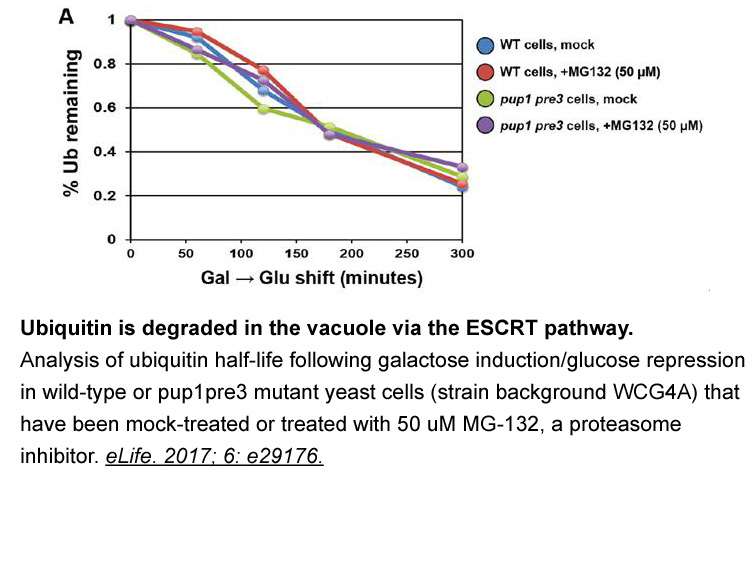
Inhibitors of the Gárdos effect include the Ca2+-channel blocker nitrendipine with an IC50 of ∼103nM (Ellory et al., 1992, Ellory et al., 1992); its mode of action is likely to be from direct blockage of K+ flux through the Gárdos channel (Ellory et al., 1992, Ellory et al., 1992), and the peptidic
-
In stark contrast to this study Zhang and colleagues
2022-06-10

In stark contrast to this study, Zhang and colleagues demonstrated that FFA4, along with FFA1, play roles in suppressing cell proliferation and promoting apoptosis in CRC Thienoguanosine treated with omega-3 PUFA [53]. In this study design, in vivo CRC was induced in mice upon treatment with the gen
-
Considering together the conformational docking and SAR resu
2022-06-10
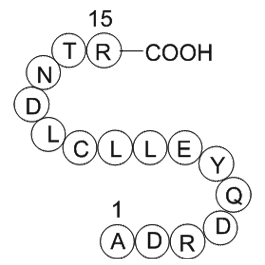
Considering together the conformational, docking and SAR results of this and of previously published papers, a three points pharmacophore model can be developed considering the indispensable residues of SRSRY derived antagonists, namely Arg89, Arg91 and Tyr92. This model is shown in Fig. 10, and req
-
br Importance of iron and lipoxygenase in
2022-06-10
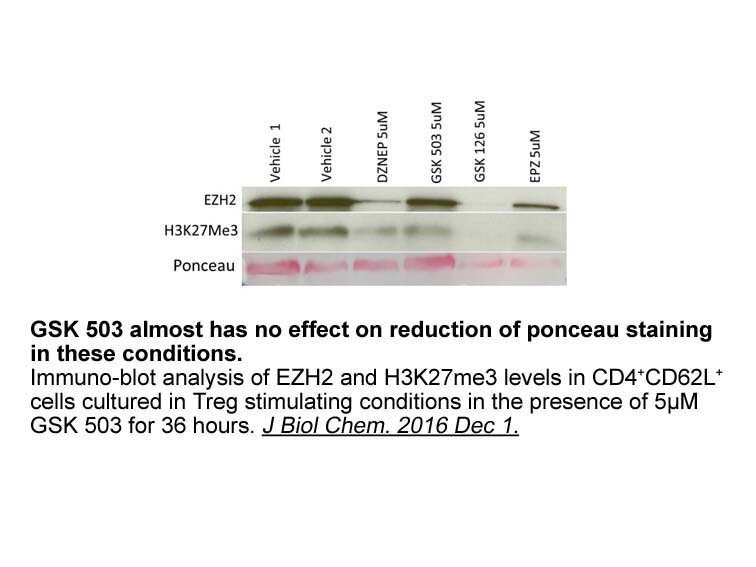
Importance of iron and lipoxygenase in ferroptosis What remains to be somewhat controversial is the role of iron and lipoxygenases (LOX) in the death process, specifically in lipid peroxidation. So far, iron chelators have been repeatedly shown to halt ferroptosis (hence its name) induced by chem
-
br Clinical assessment of iron chelation br
2022-06-10
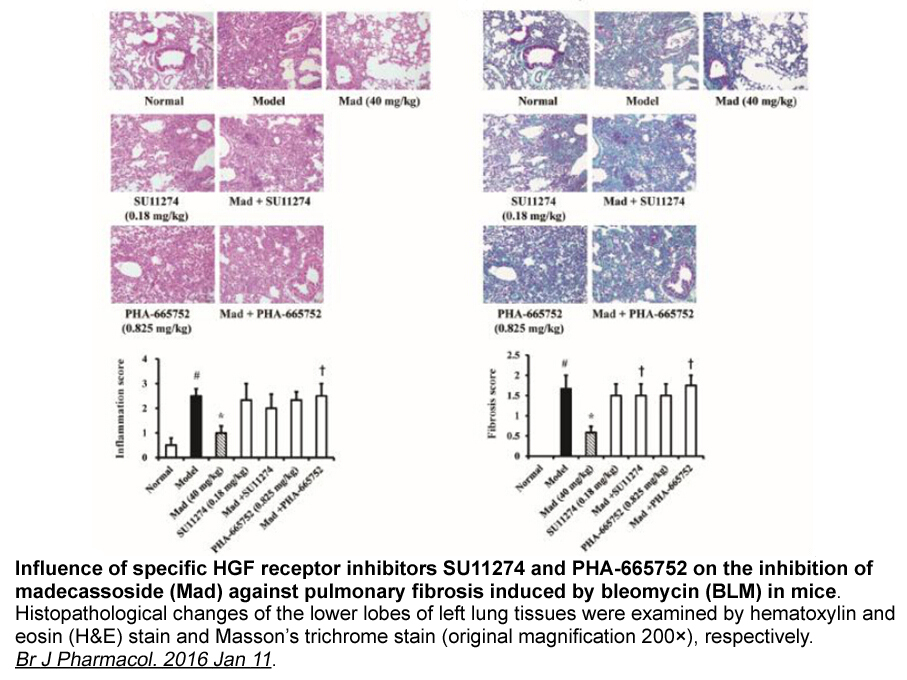
Clinical assessment of iron chelation Towards the new concept of conservative iron chelation: iron scavenging and redeployment For any chelator to be of clinical value in disorders of regional siderosis they ought to be endowed with a requisite accessibility to the relevant sites and different
-
Among the various epigenetic mechanisms involved in EwS
2022-06-10
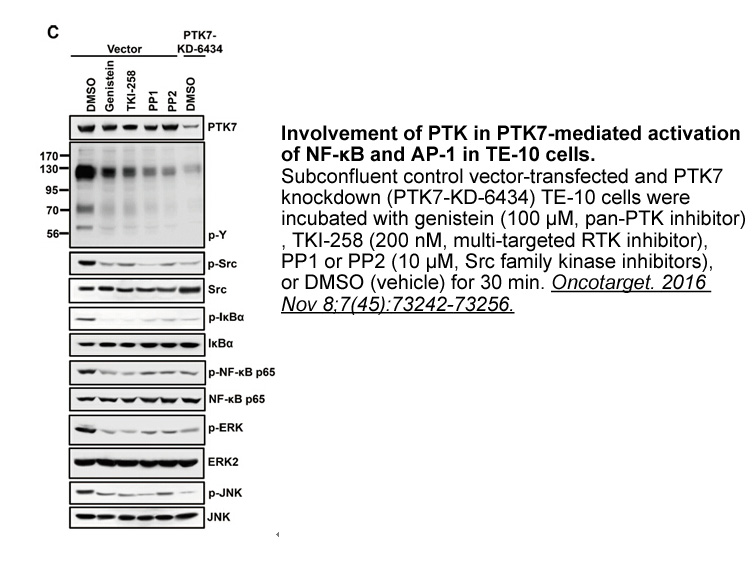
Among the various epigenetic mechanisms involved in EwS pathogenesis, we focused on the PRC enzyme EZH2, since it is a direct target of EWSR1-FLI1 and a critical mediator of malignant cell growth.24, 30 Our observation that the inhibition of EZH2 in GD2neg EwS Adaptaquin receptor induces GD2 expres
-
Glycine released from astrocytes as well as neurons is also
2022-06-10
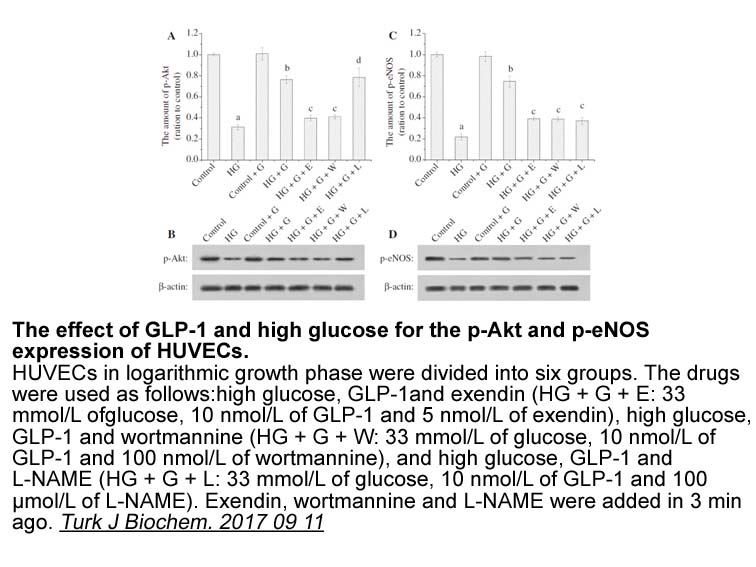
Glycine released from astrocytes as well as neurons is also known as a co-agonist of NMDAR (Roux and Supplisson, 2000). Neuronal glycine in mouse hippocampus might be released from glutamatergic terminals (Muller et al., 2013) that express functional 9620 receptors (Rodriguez et al., 1997). Glycine
8108 records 445/541 page Previous Next First page 上5页 441442443444445 下5页 Last page